Why I quit crash diets (sustainable wins only!)
I remember staring at the bathroom scale, feeling that familiar mix of desperation and hope. The number had barely moved after a week of surviving on grapefruit and black coffee. My energy was shot, my mood was foul, and all I could think about was the pizza I was "forbidden" to eat. If you've ever been on a crash diet, you know this feeling all too well—the initial thrill of rapid weight loss quickly eclipsed by exhaustion, irritability, and the inevitable rebound that leaves you heavier than when you started. It’s a brutal cycle that over 80% of dieters experience, and I was no exception.
After my third failed attempt at a drastic 30-day "cleanse," I had a moment of clarity. This wasn't a willpower problem; it was a system problem. I was tired of the all-or-nothing mindset that left me either "on" a diet or completely "off" the rails. This article isn't about another quick fix. By the time you finish reading, you'll understand exactly why crash diets set you up for long-term failure and how to build a flexible, sustainable approach to eating that actually fits your life.
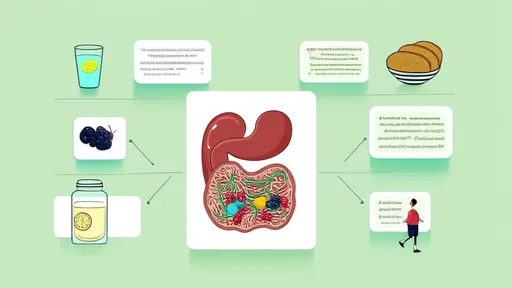
The Metabolic Trapdoor You Can't See When you drastically slash your calorie intake, your body doesn't just happily burn fat. It goes into survival mode. I learned this the hard way after a 1200-calorie-a-day plan left me shivering in a 70-degree room. Your metabolism isn't a simple machine; it's a sophisticated adaptation system. Severe calorie restriction signals a famine, prompting your body to conserve energy by slowing down your metabolic rate.
It starts breaking down precious muscle tissue for fuel, which is a double whammy—muscle is metabolically active, so losing it means you burn fewer calories at rest. One client of mine, Sarah, followed a popular liquid diet for a month. She lost 15 pounds initially, but when she returned to normal eating, she gained back 20 within three months. Her resting metabolic rate had dropped by nearly 17%, making it harder than ever to maintain her weight. The Psychology of Deprivation and The Binge Beyond the physical sabotage, there's a mental game at play that most diets ignore. Labeling foods as "good" or "bad" creates a psychological rebellion.
I’d be "good" all week, then find myself elbow-deep in a bag of chips by Friday night, consumed by guilt. This isn't a lack of discipline; it's a natural reaction to restriction. When you tell yourself you can't have something, it becomes all you can think about. This restriction-binge cycle can become a deeply ingrained pattern, making you feel out of control around food.
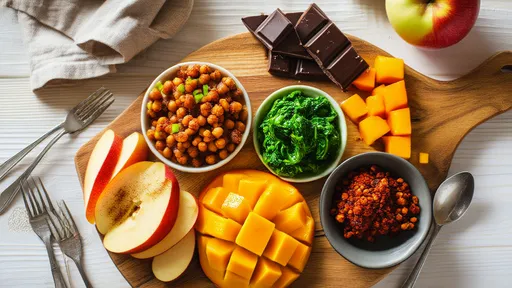
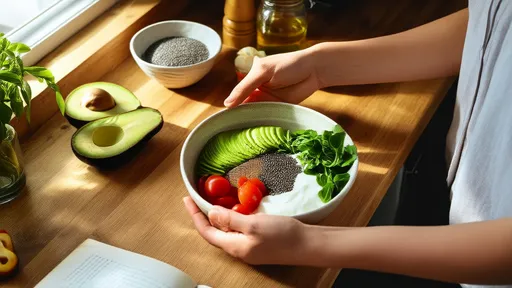
The real solution isn't more willpower; it's removing the forbidden fruit label altogether. Building Your Plate for the Long Haul So, what does a sustainable approach actually look like? It starts with ditching the diet mentality and embracing a nourishing framework. Instead of counting every single calorie, focus on building balanced plates. A simple rule I follow is the 50/25/25 method: fill half your plate with non-starchy vegetables (like broccoli, spinach, or bell peppers), a quarter with lean protein (chicken, fish, tofu, or lentils), and a quarter with complex carbs (quinoa, sweet potato, or brown rice).
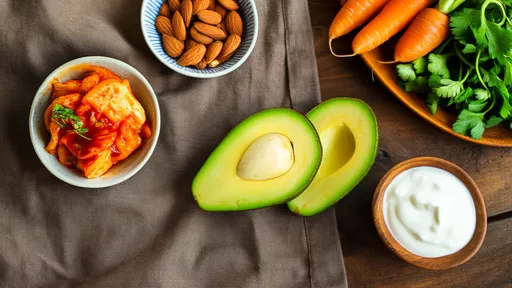
This isn't a rigid prescription—it's a flexible guide that ensures you're getting fiber, protein, and healthy carbs to keep you full and energized for hours. Add a thumb-sized portion of healthy fats like avocado or olive oil, and you have a meal that supports a stable metabolism instead of fighting it. The Power of Mindful Eating Over Mindless Restriction Sustainable change is as much about how you eat as what you eat. I used to eat lunch at my desk while answering emails, barely tasting my food.
Mindful eating was a game-changer. It’s about slowing down and paying attention to your body's hunger and fullness cues. Try this: for one meal today, put away all distractions. Chew slowly and actually taste your food. Notice when you start to feel satisfied, not stuffed. This simple practice helps rebuild a healthy relationship with food, moving you from a place of external rules ("I can only have 10 almonds") to internal wisdom ("I'm full, so I'll stop now"). It turns eating from a source of stress into a source of pleasure and nourishment. Redefining Exercise as Joyful Movement Crash diets often come paired with punishing workout regimens that are impossible to maintain.
I used to force myself through hour-long HIIT sessions I despised, which only added to my burnout. The shift happened when I started asking, "What feels good?" instead of "What burns the most calories?" Maybe it's a daily walk while listening to a podcast, a dance class, or hiking with a friend. Consistency trumps intensity every single time. Finding a form of movement you genuinely enjoy is the secret to making it a non-negotiable part of your life, not a chore you dread. This is how you build a body that is strong and capable, not just smaller. The Hidden Role of Sleep and Stress We often overlook two of the biggest levers in our health: sleep and stress management.
When I was dieting, I’d stay up late, stressed about what I could eat the next day. It was a vicious cycle. Lack of sleep increases cortisol (a stress hormone) and ghrelin (the hunger hormone), making you crave sugary, high-calorie foods. Prioritizing 7-8 hours of quality sleep is a non-negotiable foundation. Similarly, finding healthy outlets for stress—whether it's 10 minutes of meditation, journaling, or a relaxing hobby—can prevent emotional eating and support hormonal balance.
Managing these factors is what makes the dietary changes stick. Beyond the Scale: Finding Your True North This journey is about so much more than a number on a scale. The most profound shift for me was redefining success. It stopped being about fitting into a certain dress size and started being about how I felt—having steady energy throughout the day, thinking less about food, and feeling strong during my workouts. This mental shift is the glue that holds everything together.
When your motivation is rooted in feeling good and living well, the changes you make become intrinsic parts of your identity. You're no longer "on a diet"; you're just living your life, making choices that honor your health and happiness. Quitting crash diets was the best decision I ever made for my health. It freed up mental space, restored my energy, and gave me a peaceful relationship with food. Sustainable change isn't about perfection; it's about progress, patience, and a series of small, consistent wins. Start with just one thing today—maybe add an extra vegetable to your dinner or go for a 15-minute walk. Those small steps build the foundation for a lifetime of well-being. Your future self will absolutely thank you.