Hydration Tips That Boosted My Energy Levels"
You know that 3 PM slump where your brain feels like molasses and your eyelids get heavy? I used to blame it on poor sleep or stress—until I discovered my afternoon crashes had nothing to do with either. The real culprit? Chronic, low-grade dehydration that was quietly sabotaging my energy all day long.
Most of us walk around mildly dehydrated without even realizing it. We mistake thirst for hunger, reach for another coffee instead of water, and assume we're hydrating enough because we're not "parched." But here's the thing: by the time you feel thirsty, you're already dehydrated. The impact on energy levels is immediate—studies show even 1-2% dehydration can cause brain fog, fatigue, and mood swings. After tracking my hydration for two weeks, I discovered simple tweaks that boosted my energy more than any supplement or caffeine fix ever could.
The Morning Reset That Changed Everything
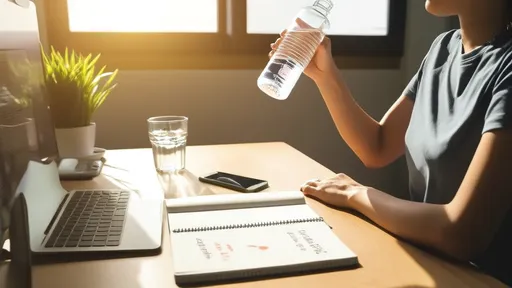
I used to chug coffee first thing and wonder why I felt jittery yet drained by mid-morning. Now, I start with two glasses of room-temperature water before anything else touches my lips. This isn't just about "getting fluids in"—it's about reversing the overnight dehydration that happens while we sleep. Our bodies lose about a liter of water through breathing and sweating during the night. Replenishing that deficit first thing sets your hydration—and energy—on the right track for the entire day.
The key is making this effortless. I keep a filled glass bottle on my nightstand so it's the first thing I see upon waking. No thinking required. Within days of this habit, my morning brain fog lifted significantly. The 10 AM energy crash I'd accepted as normal simply disappeared. It's such a simple shift, but it creates a cascade effect: better hydration means better cellular function, which means sustained energy production.
The Hydration Timing Trick Nobody Talks About
Drinking water throughout the day matters, but when you drink might matter even more. I discovered that strategic hydration—timing water intake around natural energy dips—made a dramatic difference. The most impactful times? Thirty minutes before meals (aids digestion and nutrient absorption) and right before that typical afternoon slump around 2-3 PM.
Here's why this works: dehydration stresses the cardiovascular system, making your heart work harder to pump blood. This directly translates to feeling fatigued. When you pre-hydrate before energy dips, you're essentially giving your body the resources it needs before it starts sending distress signals. I set silent phone reminders for these strategic water breaks—not to drink enormous amounts, just a solid glass each time. The difference in my afternoon productivity became noticeable within three days.
Beyond Plain Water: The Electrolyte Edge
This was my game-changer. I used to drink plenty of water but still feel drained—turns out I was flushing out electrolytes without replenishing them. Electrolytes like sodium, potassium, and magnesium are crucial for hydration because they help your cells actually absorb the water you're drinking. Without them, water can pass right through you without properly hydrating your cells.
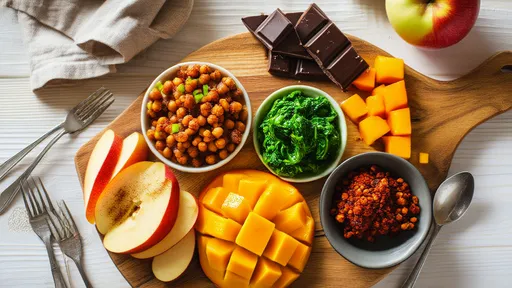
I'm not talking about sugary sports drinks. Simple additions like a pinch of sea salt in your water, eating potassium-rich foods like bananas and spinach, or adding magnesium-rich pumpkin seeds to your snacks can make all the difference. My favorite hack? Keeping electrolyte drops in my bag. A few drops in my water bottle during particularly busy or sweaty days eliminated that "drinking but still thirsty" feeling completely. The energy sustainment, especially during workouts or stressful work periods, became remarkably consistent.
The Hydration-Food Connection Most People Miss
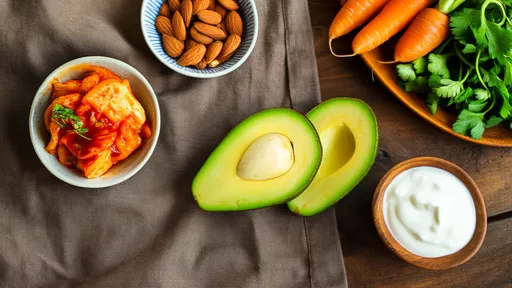
About 20% of our hydration comes from foods, yet most of us focus solely on liquids. When I started incorporating water-rich foods into every meal, my hydration levels—and energy—soared. Think cucumber slices in water, watermelon as a snack, leafy greens with lunch, and broth-based soups for dinner.
These foods provide something bottled water can't: they release water slowly as they digest, providing sustained hydration. Plus, they contain minerals that support electrolyte balance. The most noticeable benefit? I stopped waking up dehydrated despite drinking the same amount of liquids. My skin looked better, my workouts felt stronger, and that dry-mouth feeling upon waking disappeared. It's the difference between quick-fix hydration and sustained cellular watering.
Breaking Through The Hydration Plateaus
Even with good habits, I hit periods where my energy would dip despite my efforts. The problem wasn't the amount I was drinking, but how I was drinking it. Gulping large amounts infrequently is less effective than sipping smaller amounts consistently. Your body can only absorb about 200-300ml of water per 15 minutes—anything beyond that mostly gets excreted.
I switched to a marked water bottle that shows hourly intake goals. This visual reminder transformed my hydration from something I had to remember to something that became automatic. The consistent sipping kept my energy levels stable throughout the day, without the energy spikes and crashes I'd experienced with less frequent, larger drinks. It's the hydration equivalent of eating several small meals versus three large ones—your body maintains balance more effectively.
The Mind-Body Hydration Link
Here's what surprised me most: hydration isn't just physical. There's a profound connection between hydration and mental energy that most resources overlook. Dehydration increases cortisol production—your body's primary stress hormone. Higher cortisol means feeling wired but tired, anxious yet exhausted.
When I prioritized hydration during stressful periods, my ability to handle pressure improved dramatically. The physiological buffer against stress that proper hydration provides became my secret weapon during deadline crunches and hectic days. It's not just about having energy—it's about having the right kind of stable, calm energy that lets you power through challenges without burning out.
Transforming my hydration habits transformed my energy in ways I never anticipated. It wasn't about drinking absurd amounts of water or following complicated routines. The power was in consistent, strategic hydration that worked with my body's natural rhythms rather than against them. The energy benefits extended beyond physical vitality to mental clarity, emotional stability, and resilience against stress.
Start with one change—maybe the morning water habit or strategic timing—and notice how your body responds. The difference might just convince you, as it did me, that the most powerful energy booster was hiding in plain sight all along. For daily hydration reminders and more energy optimization tips, follow my journey—your most energized self is waiting to emerge.