Gut health 101: Simple swaps that made a difference
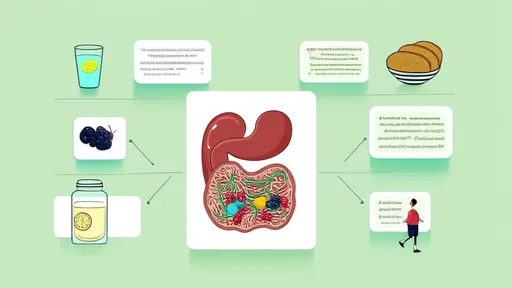
The Unseen World Inside You. That persistent bloating after meals, the afternoon energy crashes, the mysterious skin flare-ups—sound familiar? For years, I dismissed these as normal parts of life until I discovered the common thread: my gut health was struggling. Research shows that nearly 70% of people experience digestive discomfort regularly, yet most never connect it to their overall wellbeing. Your gut does far more than process food—it influences everything from immunity to mental clarity. By the end of this read, you'll understand how simple dietary swaps can transform your digestive health, boost your energy levels, and create lasting changes without drastic lifestyle overhauls.
Beyond Probiotics: The Fiber Connection
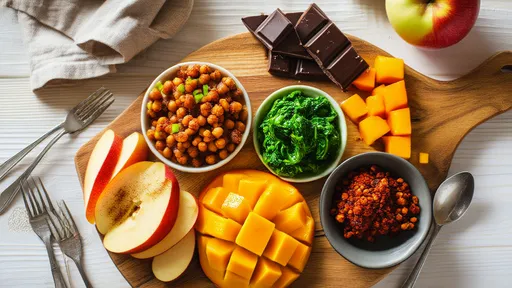
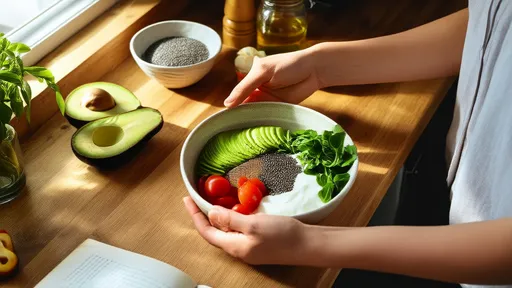
When people think gut health, they typically reach for probiotic supplements. While beneficial, they're only part of the story. The real game-changer is prebiotic fiber—the indigestible plant compounds that feed your beneficial gut bacteria. Most adults get barely half the recommended 25-30 grams of daily fiber. I struggled here too until I discovered strategic swaps. Instead of white rice, try resistant starch-rich cooled potatoes or parboiled rice—they contain more fiber that survives digestion. Swap out sugary breakfast cereals for oatmeal topped with berries and flaxseeds. One client reduced her bloating by 80% within three weeks simply by adding two tablespoons of chia seeds to her morning smoothie. The key isn't eating massive amounts of fiber overnight but making consistent swaps your system can adapt to gradually.
The Fermentation Revolution
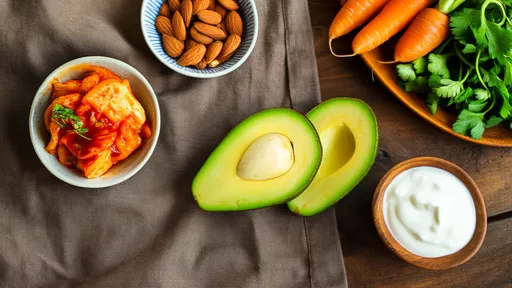
Traditional diets worldwide have embraced fermented foods for centuries, and modern science confirms why. Fermented foods introduce diverse beneficial bacteria that can survive stomach acid better than many supplements. My journey began with sauerkraut—just a tablespoon daily on salads or sandwiches. The tangy crunch grew on me, and within a month, my digestion felt smoother than it had in years. Other easy entries include unsweetened kefir (lactose-intolerant folks often tolerate it well), kimchi, and miso. Many people make the mistake of buying pasteurized versions, which kills the beneficial bacteria. Look for "raw" or "unpasteurized" on labels, or consider simple home fermentation—it's easier than you think with just cabbage, salt, and a jar.
The Sugar Trap and Smart Alternatives
Here's the hard truth: harmful gut bacteria thrive on refined sugar. When I reduced my added sugar intake, the changes were more dramatic than any supplement I'd tried. The problem isn't just desserts—sugar hides in salad dressings, bread, and even "healthy" granola bars. Start by swapping sugary yogurts for plain Greek yogurt with fresh fruit and a drizzle of honey. Replace soda with kombucha (check sugar content) or fruit-infused water. One surprising game-changer for me was using cinnamon and vanilla extract in coffee instead of sugar—they provide sweetness without feeding problematic bacteria. If you experience sugar cravings initially, that's normal—it means your gut microbiome is rebalancing. Stick with it for two weeks, and you'll find naturally sweet foods like apples and carrots taste remarkably sweeter.
Fat Quality Matters More Than Quantity
For years, fat was demonized, but your gut needs the right kinds to maintain the intestinal lining and reduce inflammation. The worst offenders are industrial seed oils like soybean and corn oil, which are high in inflammatory omega-6 fats. Simple swaps made a noticeable difference in my digestion and skin health. I replaced vegetable oil with olive oil for low-heat cooking and avocado oil for higher temperatures. Instead of processed snacks, I keep walnuts and almonds on hand—their anti-inflammatory properties support gut lining repair. One of my favorite discoveries was using avocado as a replacement for mayonnaise in sandwiches and salads. The creaminess satisfies while providing gut-friendly monounsaturated fats. Don't fear fat—just choose sources that work with your body rather than against it.
Timing and Combination Strategies
What you eat matters, but when and how you combine foods can be equally important. I used to experience uncomfortable bloating after fruit—until I learned about food combining principles. Eating fruit alone on an empty stomach, rather than after heavy meals, can prevent fermentation that causes gas. Another revelation was spacing protein-heavy meals from high-starch meals—try fish with roasted vegetables instead of pasta, for instance. Intermittent fasting gave my digestive system the break it needed—starting with a 12-hour overnight fast (7pm to 7am) made mornings more comfortable. Many people make the mistake of drinking large amounts of water with meals, which can dilute digestive enzymes. Instead, hydrate well between meals and keep mealtime beverages small. These timing adjustments require no special foods yet can dramatically improve how you process what you eat.
Beyond the Plate: The Gut-Brain Connection
Your gut doesn't operate in isolation—it's in constant communication with your brain via the vagus nerve. Chronic stress can trigger inflammation and alter gut bacteria composition within days. When I implemented stress-reduction techniques, my digestive improvements accelerated. Simple practices like five minutes of deep breathing before meals, mindful eating without screens, and regular nature walks made measurable differences. Sleep quality profoundly affects gut health too—poor sleep increases cravings for sugary foods and disrupts gut motility. One client resolved her lifelong constipation simply by prioritizing seven hours of sleep nightly. Remember that gut health extends beyond food—managing stress and improving sleep might be the missing pieces in your digestive puzzle.
The Long Game: Building Sustainable Gut Health
Transforming your gut health isn't about perfection—it's about consistent, small choices that add up. Start with one swap that feels manageable, whether it's adding a fermented food or reducing sugar in your coffee. Track how you feel in a simple journal—energy levels, digestion, skin clarity. Many people expect immediate results and give up too soon, but gut microbiome changes take weeks to months. Be patient with your body as it adjusts. The goal isn't to never enjoy your favorite foods again but to build a foundation where occasional indulgences don't derail your progress. Your gut has remarkable resilience when given the right tools.
Your Journey Forward
Better gut health begins with awareness and one simple swap. Whether you start with fiber-rich additions, fermented foods, or stress reduction, each positive change creates ripple effects throughout your body. Remember that decades of dietary patterns won't reverse overnight—progress comes through daily consistency. Your future self will thank you for the energy, comfort, and vitality that comes from nurturing your internal ecosystem. Trust the process, listen to your body's signals, and celebrate small victories along the way.