Sleep better fast: No-brainer tips I swear by!
Why Sleep Feels Impossible (And How to Fix It Tonight)? You've probably been there—lying in bed at 2 AM, mentally scrolling through your to-do list while desperately counting sheep. Over 70% of adults report getting less than the recommended 7-9 hours of sleep, and nearly one-third experience insomnia symptoms weekly. The frustrating part? Most people approach sleep improvement like it's some complicated science project, when really, it's about mastering a few fundamental habits that work with your body's natural rhythms. By the time you finish reading, you'll have actionable strategies to fall asleep faster, stay asleep longer, and wake up feeling genuinely refreshed—without buying expensive gadgets or completely overhauling your life.
Your Bedroom Environment Is Working Against You
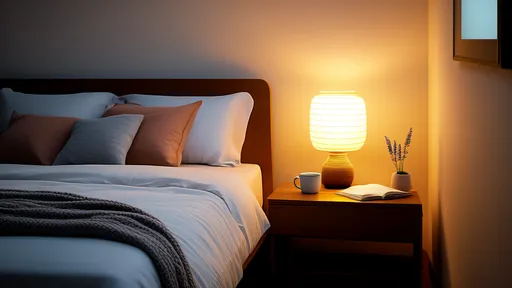
Most people underestimate how much their sleep environment matters. I learned this the hard way when I kept waking up at 3 AM despite being exhausted. The culprit? Light pollution from streetlights filtering through my blinds and the constant hum of electronics. Our ancestors slept in near-total darkness and silence—our bodies still expect those conditions. The fix is simpler than you might think. Start by investing in blackout curtains (the cheap ones work fine) and removing or covering any LED lights from chargers, TVs, or smoke detectors. Temperature matters too—keeping your room between 60-67°F (15-19°C) helps your body's core temperature drop naturally, signaling it's time to sleep.
The Pre-Sleep Routine You're Probably Missing
Your brain needs clear signals that it's time to wind down. Scrolling through social media until your eyes droop might feel relaxing, but the blue light from screens actually suppresses melatonin production by up to 30%. I struggled with this until I implemented what I call the "digital sunset"—powering down all screens 60-90 minutes before bed. Instead, I read physical books (nothing too thrilling), do gentle stretches, or listen to calming podcasts. Another game-changer? Consistency. Going to bed and waking up at roughly the same time—even on weekends—trains your circadian rhythm like clockwork. One client of mine reduced her sleep onset time from 45 minutes to under 15 just by sticking to a consistent 10 PM bedtime for two weeks.
What You Consume Matters More Than You Think
That evening glass of wine might help you fall asleep faster, but it dramatically reduces sleep quality later in the night. Alcohol disrupts REM sleep, leaving you feeling groggy even after 8 hours in bed. Caffeine's half-life is about 5-6 hours, meaning that 3 PM coffee still has 50% of its potency at 8 PM. I've found cutting off caffeine by 2 PM and alcohol 3 hours before bed makes a noticeable difference. Hydration is another overlooked factor—being dehydrated wakes you up with dry mouth or headaches, but drinking too much water right before bed means bathroom trips. The sweet spot? Sip water throughout the day and taper off 1-2 hours before sleep.
When Your Mind Won't Shut Off
This was my biggest hurdle—my brain treating bedtime like a director's cut of every awkward moment from the past decade. The solution isn't trying harder to sleep (which creates more anxiety), but getting out of bed. Seriously. If you've been lying awake for more than 20 minutes, get up and do something boring in dim light—fold laundry, read a textbook, organize receipts—until you feel sleepy. This breaks the association between bed and anxiety. Another powerful technique is "thought downloading"—keeping a notebook by your bed to dump all racing thoughts onto paper. One user told me this simple practice reduced her nighttime anxiety by 80% because she knew her worries were captured and couldn't be forgotten.
The Exercise Sweet Spot
Regular exercise improves sleep quality, but timing matters. Intense workouts too close to bedtime can raise your core body temperature and stimulate your nervous system, making it harder to fall asleep. However, gentle movement like evening walks or restorative yoga can actually promote relaxation. I've found the ideal window is finishing moderate to vigorous exercise at least 3 hours before bed. Morning exercisers often report deeper sleep, but if evenings are your only option, focus on lower-intensity activities. The consistency matters more than perfect timing—one study showed people who walked 30 minutes daily fell asleep 15 minutes faster and woke up less frequently during the night.
Beyond the Basics: Addressing Sleep Stealers
Sometimes the usual advice doesn't cut it because hidden factors are sabotaging your rest. Stress is the obvious culprit, but lesser-known sleep stealers include inconsistent meal times, sleeping in on weekends (creating "social jet lag"), and even your pillow's age. If you've implemented the fundamentals without success, consider these tweaks: exposure to morning sunlight within an hour of waking (this sets your circadian rhythm), evaluating your mattress (most need replacement every 7-10 years), and managing noise with white noise machines or earplugs. One traveler I know swears by her portable white noise app—it helps her sleep through hotel noises and time zone changes.
The Mental Shift That Changes Everything
Here's what nobody tells you about sleep improvement: perfection isn't the goal. Obsessing over getting exactly 8 hours every night creates performance anxiety that makes sleep harder. Some nights you'll sleep great, others you won't—and that's normal. The real win is developing sustainable habits that work most of the time. I've learned to view sleep as a gift I give my future self rather than a task to optimize. This mindset shift alone reduced my bedtime anxiety significantly. Remember that one bad night doesn't ruin your health—it's the consistent patterns that matter.
Your New Morning Matters Too
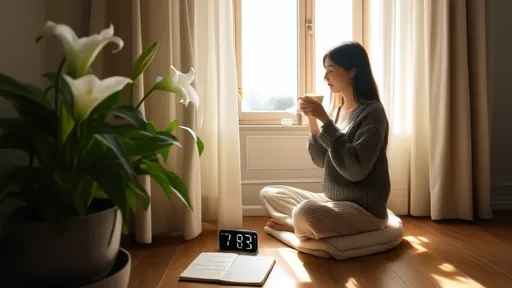
How you wake up influences how you sleep the next night. Hitting snooze repeatedly fragments your sleep and leaves you groggier. Instead, place your alarm across the room so you have to get up, expose yourself to bright light immediately, and move your body within the first 30 minutes of waking. These actions signal to your brain that the day has started, strengthening your sleep-wake cycle. I started drinking my morning water while standing outside for 5 minutes—this simple routine made falling asleep easier that night because my circadian rhythm became more defined.
Putting It All Together
Better sleep isn't about doing everything perfectly—it's about finding the 2-3 changes that make the biggest difference for you. Start with your environment (dark, cool, quiet), establish a consistent wind-down routine, and manage your mind when it races. The cumulative effect of these small adjustments creates lasting change. Tonight, try just one thing—maybe charge your phone outside the bedroom or read a book instead of scrolling. Your well-rested future self will thank you by morning. For more personalized tips, download my free sleep checklist or share your own experiences in the comments—we're all in this together.