Stress-free living: My daily health vibe that works!
You know that feeling when your to-do list seems to multiply overnight, your phone keeps pinging, and your shoulders are permanently glued to your ears? For years, I was stuck in that exact cycle, convinced that stress was just an unavoidable side effect of modern life. I’d tried everything from complicated meditation apps to expensive wellness retreats, but nothing stuck. Then I hit a breaking point—my sleep was wrecked, my energy was nonexistent, and I realized that chasing a "perfectly calm" life was actually making things worse.
What I discovered, through trial and error, is that stress-free living isn't about eliminating stress entirely. That’s a fantasy. It’s about building a daily health vibe—a set of simple, repeatable habits that create a buffer against life’s chaos. By the end of this read, you’ll have a practical toolkit to reshape your relationship with stress, from morning routines that set a calm tone to evening wind-downs that actually work. You won’t need to overhaul your life; you’ll just learn how to weave in small changes that add up to big shifts in how you feel every single day.
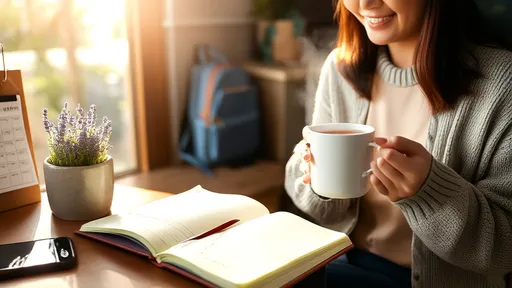
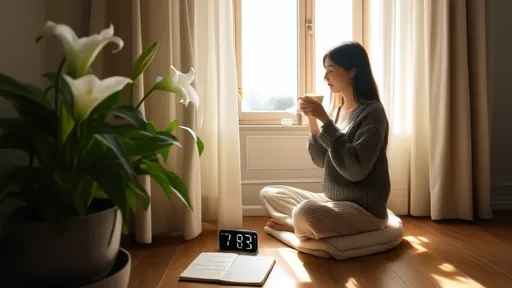
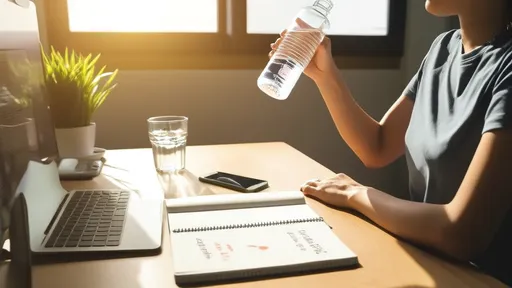
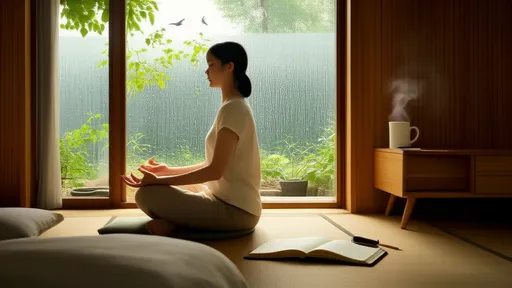
Let’s start with the foundation: your morning. Most of us wake up and immediately reach for our phones, diving headfirst into emails, news, and social media. It’s a recipe for instant anxiety. Instead, try this: for the first 60 minutes of your day, keep your phone on airplane mode. I know, it sounds impossible. But this one shift changed everything for me. Use that first hour for something that fills your cup—not drains it. For me, that’s sipping a warm lemon water while sitting quietly, or stepping outside for five minutes of fresh air, no agenda attached.
This isn’t about adding another chore to your list. It’s about creating a non-negotiable pocket of peace before the world gets its hands on you. I have a friend who uses this time to journal three things she’s looking forward to—not goals, just simple joys. Another just stretches while listening to a single, calming song. The key is consistency, not complexity. After two weeks of this practice, I noticed my mornings felt less rushed, and my mood was noticeably steadier throughout the day.
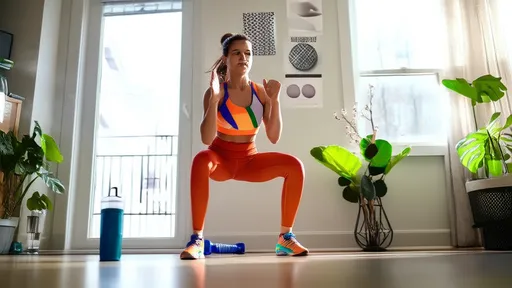
Now, let’s talk about movement. When you’re stressed, the last thing you might feel like doing is exercising. But hear me out: movement is a powerful stress reliever, and it doesn’t have to mean a grueling gym session. I used to force myself into intense workouts, only to feel more exhausted. Then I shifted to what I call "joyful movement"—a 15-minute walk in the park, a casual bike ride, or even a living room dance party to my favorite throwback tunes.
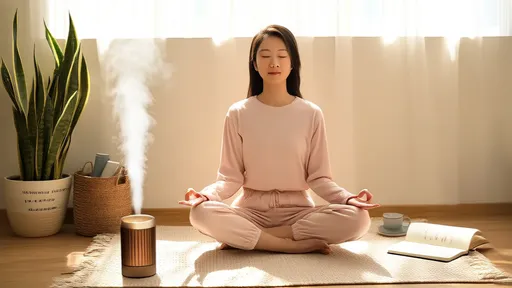
The goal here is to reconnect with your body in a gentle way, not punish it. Physical activity helps metabolize cortisol, your body’s main stress hormone. One client of mine, a busy mom, started doing 10-minute yoga flows during her toddler’s nap time. She told me it was the only part of her day where she felt completely present and calm. Remember, the best exercise is the one you’ll actually do. If you dread it, it’s adding to your stress, not reducing it.
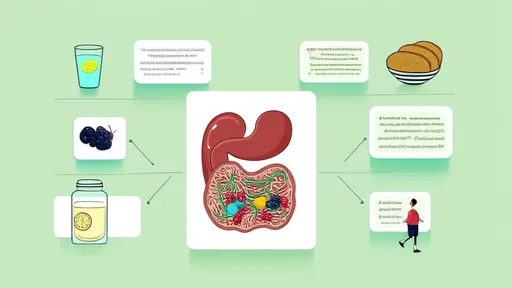
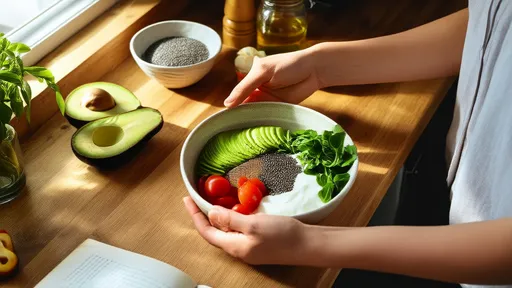
Nutrition plays a huge role in how we handle stress, but most advice out there is overly restrictive. I’m not going to tell you to cut out coffee or never eat sugar again. Instead, focus on stability. When I’m stressed, my appetite goes haywire—I either forget to eat or crave junk food. Both leave me feeling worse. So I started building what I call "anchor meals"—simple, balanced meals that I can prep without much thought.
For example, my go-to breakfast is overnight oats with berries and a spoonful of almond butter. It’s ready when I wake up, and it keeps my blood sugar stable so I avoid mid-morning crashes. I also keep healthy snacks like nuts or an apple at my desk. The mistake many people make is trying to adopt a perfect diet overnight, which leads to guilt when they "slip up." Stress-free eating is about consistency, not perfection. If you have a cookie, enjoy it and move on.
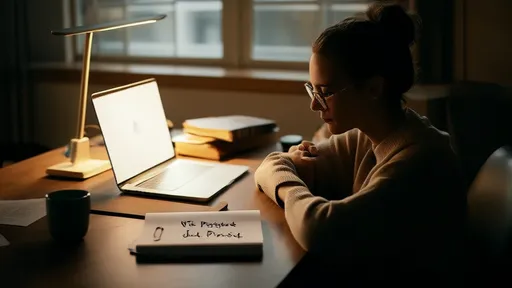
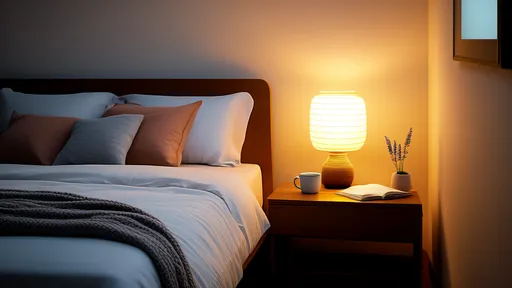
One of the most overlooked aspects of stress management is your environment. Your physical space can either drain your energy or replenish it. I used to work from a cluttered desk in a dimly lit room, and I’d end each day feeling mentally foggy. Then I made a few tiny tweaks: I added a small plant to my desk, opened the curtains to let in natural light, and created a "digital sunset" by turning off screens an hour before bed.
These might sound like small things, but they have a cumulative effect. Natural light helps regulate your circadian rhythm, which improves sleep quality. A tidy space can reduce cognitive overload. One person I coached simply started making her bed every morning—a two-minute task that gave her a sense of order and accomplishment to kick off the day. Your environment should support your peace, not sabotage it.
Let’s dive into the mental game. Stress often thrives in our minds because we’re stuck in cycles of overthinking or catastrophizing. I learned to use a technique called "thought labeling." When I notice my mind racing with anxious thoughts, I silently say, "That’s a worry story," or "That’s future-tripping." This creates a tiny gap between you and the thought, reducing its power.
Another game-changer for me was setting "worry time." I schedule 10 minutes each evening to write down everything that’s bothering me. Once the time is up, I close the notebook and mentally let it go. It sounds too simple to work, but it trains your brain to contain anxiety instead of letting it run wild 24/7. Many of my clients find this alone reduces their nighttime ruminating significantly.
Beyond the practical strategies, it’s crucial to address the emotional layer of stress. We often berate ourselves for feeling stressed, as if we’re failing at life. I want you to know that stress is a natural human response—it’s your body’s way of trying to protect you. The goal isn’t to become a robot that never feels pressure. It’s to build a kind, compassionate relationship with yourself when you do.
This is where your inner dialogue matters. Instead of thinking, "I can’t handle this," try shifting to, "This is challenging, and I’m doing my best." That subtle reframe can lower your physiological stress response. I’ve found that self-compassion is the secret ingredient to sustainable stress management. It turns a struggle into a journey you’re on with yourself, not against yourself.
Building a stress-free vibe isn’t about achieving some zen-like state where nothing bothers you. It’s about creating a life where stress doesn’t run the show. You now have a blueprint—from mindful mornings and joyful movement to stable nutrition and a supportive environment. These aren’t rigid rules; they’re invitations to experiment and see what makes you feel more grounded.
Start with just one small change this week. Maybe it’s the phone-free morning hour, or perhaps it’s adding a walk after lunch. Trust that these small steps compound into a more resilient, calm you. Your daily health vibe is uniquely yours to design. For more personalized tips, I share weekly insights on my newsletter—feel free to join the conversation there. Here’s to more ease and less overwhelm in your everyday life.