No-gym workouts: Obsessed with these 15-min moves!
You know that feeling when you scroll through fitness posts, see those perfect home gym setups, and immediately think "well, that's not happening for me"? Same. Between work deadlines, family responsibilities, and the general chaos of life, getting to a gym often feels like planning a military operation. But here's the thing: you don't need expensive equipment or even an hour of free time to transform your fitness. All it takes is fifteen focused minutes.
I started experimenting with no-equipment workouts during a particularly hectic month when my gym membership was basically a charitable donation. The game-changer wasn't some revolutionary program—it was realizing that short, intense bursts of movement could deliver better results than my previous sporadic hour-long sessions. These 15-minute routines target multiple muscle groups simultaneously while keeping your heart rate elevated, essentially giving you strength training and cardio in one efficient package.
Let's begin with the foundation: the warm-up. Never skip this—I learned that the hard way. A proper warm-up preps your muscles and joints while reducing injury risk. Try this three-minute sequence: thirty seconds of jumping jacks, thirty seconds of high knees, thirty seconds of arm circles (both forward and backward), thirty seconds of torso twists, and finish with thirty seconds of dynamic leg swings. This combination increases blood flow while activating the major muscle groups you'll be using.
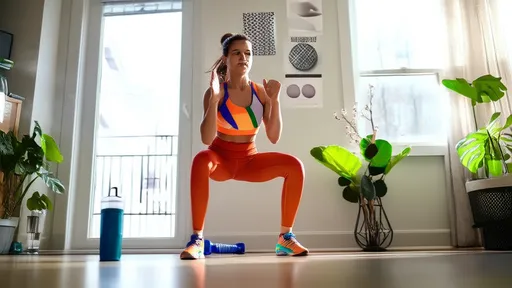
The core workout structure follows a simple format: forty-five seconds of work followed by fifteen seconds of rest for each exercise. Complete the circuit once through for a quick session, or repeat it two to three times if you have extra minutes. Start with bodyweight squats—keep your feet shoulder-width apart, lower as if sitting in a chair, and push through your heels to return to standing. The key is controlled movement rather than speed; really feel those glutes and quads working.
Immediately transition to push-ups—modify by dropping to your knees if needed, but maintain a straight line from your head to your knees or toes. Many people arch their backs; instead, engage your core as if bracing for a gentle punch. Next comes the alternating reverse lunge: step backward with one leg, lowering until both knees form 90-degree angles, then push back to start. This develops balance alongside leg strength.
Now for my personal favorite: the plank. It looks deceptively simple but works your entire body. Keep your elbows directly beneath your shoulders and your body perfectly straight. When I started, I could barely hold thirty seconds—now I incorporate variations like lifting one leg slightly to increase the challenge. Follow this with burpees, the ultimate full-body move. Squat down, place hands on floor, jump feet back into plank position, perform a push-up, jump feet forward, and explode upward. Yes, they're tough, but they're incredibly effective.
Don't underestimate mountain climbers—they torch calories while building core stability. From plank position, alternately drive your knees toward your chest as if running in place. Maintain a steady rhythm rather than rushing. Finish the circuit with jumping jacks for cardiovascular endurance and glute bridges for posterior chain development. Lie on your back with knees bent, then lift your hips toward the ceiling while squeezing your glutes.
The biggest mistake people make with short workouts? Thinking more speed equals better results. Proper form always trumps speed—I'd rather see five perfectly executed push-ups than fifteen sloppy ones. Another common error involves skipping the cool-down. After your final circuit, spend two minutes stretching your quads, hamstrings, chest, and back. This improves flexibility and reduces next-day soreness.
Consistency matters more than duration. I've found that scheduling these sessions right after waking up or during my lunch break creates an unbreakable habit. Set phone reminders for the first week until it becomes automatic. Many of my clients report that the psychological boost from completing their daily fifteen minutes creates positive momentum throughout their entire day.
What surprised me most was how these brief workouts transformed my relationship with exercise. Instead of dreading hour-long gym sessions, I looked forward to these efficient bursts. They became moments of meditation in motion—a dedicated space where I could release stress while building physical resilience. The confidence from maintaining this consistency spilled over into other areas of my life, proving that self-care doesn't require massive time investments.
Your fitness journey doesn't need to begin with dramatic overhauls. Start with just one fifteen-minute session tomorrow morning. Pay attention to how your body feels during each movement, celebrate completing the circuit, and notice the mental clarity that follows. That daily quarter-hour commitment will compound into remarkable changes—not just in your physical capabilities, but in your overall approach to wellness. The perfect workout isn't the longest or most complicated one—it's the one you actually do, consistently.