Natural stress relief: My go-tos for busy days!
You know that feeling when your to-do list seems to stretch for miles, your inbox is overflowing, and your calendar is a chaotic mess of overlapping appointments? That was me last Tuesday—juggling three project deadlines while trying to coordinate my kid’s school pickup. My shoulders were practically touching my ears, and I could feel my heart thumping like a drum. It’s in these moments that I’ve learned to pause and turn to my personal toolkit of natural stress relievers. These aren’t complicated rituals or expensive retreats; they’re simple, accessible practices that fit into even the most packed schedule.
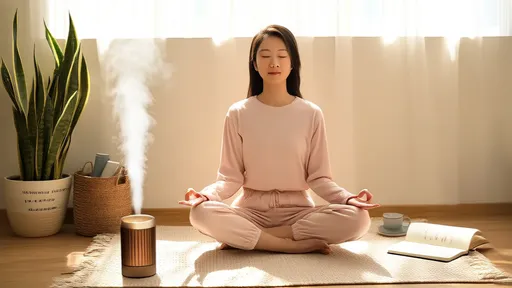
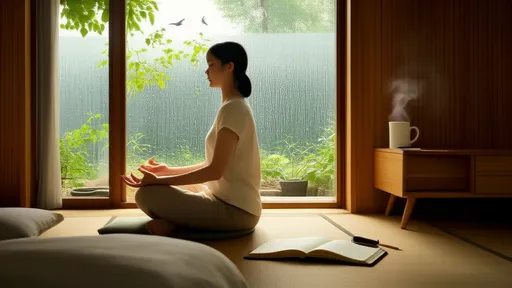
One of my absolute favorites is what I call “micro-meditation.” I used to think meditation required a quiet room, a cushion, and at least 20 minutes of undisturbed time—something that felt impossible on a hectic day. Then I discovered that even 60 seconds of focused breathing can reset my nervous system. Here’s how it works: wherever you are, close your eyes (if it’s safe to do so) and take three deep, slow breaths. Inhale through your nose for a count of four, hold for two, and exhale through your mouth for six. The extended exhale is key—it activates the parasympathetic nervous system, telling your body it’s safe to relax. I do this before starting a big task, after a stressful meeting, or even while waiting in line for coffee. It’s like hitting a mental reset button.
Another game-changer has been incorporating short bursts of movement throughout the day. I’m not talking about a full workout—though those are great when you can manage them. I mean two to five minutes of intentional physical activity. When I feel tension building, I’ll stand up from my desk and do a few gentle stretches, focusing on areas where I hold stress like my neck and shoulders. Sometimes I’ll put on one upbeat song and dance around the living room. Other times, I’ll take a quick walk around the block. The combination of fresh air, changed scenery, and mild exercise works wonders for shifting my mental state. Research shows that just five minutes of movement can reduce cortisol levels and improve mood. It’s literally a stress-buster you can fit between meetings.
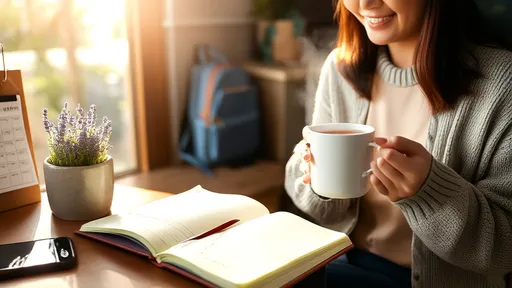
What surprised me most in my stress-management journey was the power of engaging my senses. When we’re stressed, we tend to live in our heads—replaying conversations, worrying about future tasks. Bringing attention to our physical senses can ground us in the present moment. I keep a small vial of lavender essential oil in my bag. When I feel overwhelmed, I put a drop on my wrists, rub them together, and take a deep breath. The scent alone seems to calm my racing thoughts. Alternatively, I might sip a warm cup of herbal tea mindfully, noticing its temperature, aroma, and flavor. Even something as simple as feeling the texture of my desk or listening intently to the sounds around me for thirty seconds can interrupt the stress cycle.
Let’s talk about one of the most overlooked stress solutions: strategic breaks. Many of us power through our workdays without proper pauses, thinking we’re being productive. In reality, our brains need regular rest to maintain focus and manage stress effectively. I follow what I call the “90-minute rule”—working in focused blocks of about 90 minutes, then taking a 10-15 minute break. During these breaks, I do something completely different from my work. I might call a friend for a quick chat, step outside to feel the sun on my face, or even just stare out the window and let my mind wander. These intentional breaks prevent mental exhaustion and actually make me more productive when I return to work.
Perhaps the most challenging but transformative practice has been reframing my perspective on stress itself. When we view stress as entirely negative—something to be eliminated—we often create additional anxiety about being anxious. Instead, I’ve learned to acknowledge stress as a natural response to challenges, and even to appreciate what it’s trying to tell me. That tightness in my chest before a presentation? It’s my body preparing for something important. The overwhelm I feel when facing multiple deadlines? It’s a signal that I need to prioritize and possibly delegate. This mental shift doesn’t make the stress disappear, but it removes the secondary stress about being stressed, which is often what pushes us into overwhelm territory.
What ties all these practices together is their simplicity and accessibility. You don’t need special equipment, extensive training, or large blocks of time. The real secret isn’t finding the one perfect stress-relief technique—it’s having multiple options you can turn to in different situations. Some days, breathing exercises work best; other days, a quick walk is what I need. The key is noticing when stress begins to build and having tools ready to address it before it escalates. This proactive approach has transformed my relationship with busy days from something I dread to challenges I feel equipped to handle.
Remember that managing stress isn’t about achieving some perfectly calm state—it’s about building resilience and having strategies to navigate life’s inevitable pressures. The next time you feel tension rising, try one of these approaches. Start with just one minute of focused breathing, or stand up and stretch for two minutes. These small moments of self-care compound throughout your day, helping you maintain balance even when everything around you feels chaotic. Your busy schedule doesn’t have to mean constant stress—you have more control than you might think.