Skin + health wins: My fave natural remedies 🧴
I used to be that person with a bathroom cabinet overflowing with expensive serums, creams, and potions, all promising miraculous results. Yet, my skin was a constant source of frustration—prone to redness, unpredictable breakouts, and a general dullness that no highlighter could truly fix. It felt like a never-ending battle. The turning point came when I realized I was treating the symptoms, not the root cause.
My skin was trying to tell me something about my overall health, and I finally decided to listen. This journey into natural remedies wasn't about rejecting science, but about embracing a more holistic approach where skin health and body wellness are deeply intertwined. By the end of this, you'll have a toolkit of simple, effective strategies that work from the inside out, helping you achieve that coveted healthy glow in a way that's sustainable and kind to your body.
Let's start with the foundation of everything: your gut. You've probably heard the phrase "gut health" thrown around, but the connection to your skin is incredibly direct. An imbalance in your gut microbiome can trigger systemic inflammation, which often manifests on your face as acne, eczema, or rosacea. It's your body's way of signaling that something is off internally. I noticed a dramatic shift when I began incorporating more gut-friendly foods into my daily routine. It’s not about a restrictive diet, but about adding in powerful allies.
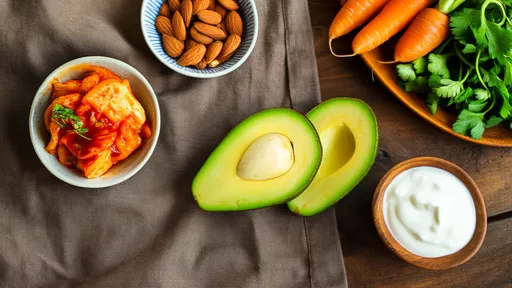
My absolute non-negotiable is a daily dose of fermented foods. A tablespoon of raw sauerkraut or kimchi with lunch, or a glass of kefir in the morning, can work wonders. These foods are teeming with probiotics that help repopulate your gut with good bacteria. For a quick, easy start, try stirring a spoonful of raw apple cider vinegar (the kind with the "mother") into a glass of water before meals. It aids digestion and helps balance your stomach's pH. One of my clients, who struggled with persistent adult acne for years, saw her breakouts reduce by nearly 80% within two months of making these simple dietary additions. The key is consistency—it’s not an overnight fix, but a steady investment in your body's ecosystem.
Beyond what you eat, what you put on your skin matters immensely. Your skin is your largest organ, and it absorbs a significant amount of what you apply to it. Switching to a natural skincare routine means you're nourishing it with recognizable ingredients instead of potentially irritating chemicals. This is where the real fun begins, playing with ingredients from your kitchen. A common mistake is assuming natural means less effective, but the opposite is often true once you find what works for your unique skin type.
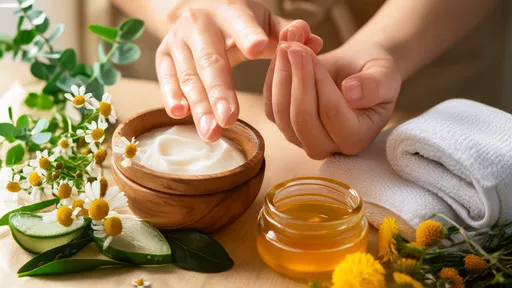
For a deep, pore-cleaning cleanse, I swear by the oil cleansing method. It sounds counterintuitive if you have oily skin, but the principle is that like dissolves like. Massaging a blend of castor oil and jojoba oil onto dry skin for a few minutes can dissolve sebum, sunscreen, and makeup far more gently than harsh foaming cleansers. Follow it up with a warm, damp cloth pressed to your face to steam and wipe it away. For a weekly treatment, a honey and turmeric mask is my go-to. Raw honey is naturally antibacterial and humectant, while turmeric is a potent anti-inflammatory. Mix a teaspoon of each, apply for 10-15 minutes, and rinse. My skin is always calmer, brighter, and less inflamed afterward. Just a heads-up—turmeric can temporarily stain very light skin, so do a patch test first!
Internal balance is crucial, but targeted topical support can tackle specific concerns like acne and inflammation head-on. Nature provides some of the most powerful anti-inflammatory and antimicrobial agents available, often without the side effects of prescription treatments. When a stubborn blemish appears, I bypass the harsh spot treatments and reach for tea tree oil. Its antibacterial properties are fantastic for fighting acne-causing bacteria. The trick is to never apply it neat. Dilute a single drop in a teaspoon of a carrier oil like jojoba or argan oil before dabbing it precisely on the spot.
For overall redness and irritation, nothing has been more of a game-changer for me than rosehip seed oil. Packed with trans-retinoic acid (a natural form of Vitamin A) and essential fatty acids, it helps with skin regeneration, scar fading, and calming inflammation. I use it as my final moisturizing step every night, pressing a few drops into slightly damp skin. It’s lightweight, absorbs quickly, and doesn't feel greasy. A friend of mine with rosacea started using it and found her flare-ups were less frequent and much less severe. It’s a perfect example of a natural remedy delivering targeted, professional-grade results.
True radiance isn't just about the absence of blemishes; it's a glow that comes from within, fueled by proper hydration and circulation. If your skin looks tired and lackluster, the solution might be simpler than you think. Drinking enough water is the most basic yet most overlooked skincare step. But you can elevate it. Start your day with a large glass of warm water with a squeeze of fresh lemon juice. This hydrates you first thing, provides a hit of Vitamin C for collagen production, and gently awakens your digestive system.
To boost circulation and give your complexion a natural flush, try dry brushing before you shower. Using a natural bristle brush, make long, sweeping strokes towards your heart on dry skin. This stimulates the lymphatic system, exfoliates dead skin cells, and gets the blood flowing. Follow it with a shower, and your skin will feel incredibly smooth and look more vibrant. When I'm consistent with this, I notice my serums and moisturizers absorb better and my skin just has a livelier, healthier tone. It’s a five-minute ritual that makes a visible difference.
Adopting a natural approach is as much a mental shift as a physical one. In a world obsessed with quick fixes and instant results, this path requires patience and a dose of self-compassion. Your skin didn't become unbalanced overnight, and it won't heal overnight either. There will be days you feel frustrated, or you'll be tempted to go back to a chemical-laden "miracle" cream. That’s completely normal. The goal here isn't perfection. It's about building a nurturing relationship with your body, learning to interpret its signals, and choosing ingredients that support its innate wisdom. This journey has taught me that the most beautiful skin is healthy skin—skin that is resilient, balanced, and vitally alive.
Ultimately, these natural remedies are about empowerment. They give you the tools to take an active role in your skin's health, moving beyond being a passive consumer to an informed participant. Start with just one change this week. Maybe it's adding a probiotic food to your diet or trying that honey mask. Observe how your skin responds. These small, consistent choices compound into significant, lasting results. Your skin is a reflection of your inner well-being, and by nurturing it naturally, you're honoring your entire self. Trust the process, and enjoy the glow that follows.