Budgeting that doesn’t suck—steal my daily vibe!
Money conversations usually feel like dental appointments—necessary but painfully boring. Yet somehow, my bank account started growing without me ever feeling deprived or drowning in spreadsheets. The secret? I stopped treating budgeting as a restrictive diet and started approaching it like my favorite playlist—something that sets the tone for my day and makes life better.
Traditional budgeting fails because it focuses on what you can't have. You're told to cut your coffee runs, skip dinners out, and basically become a financial hermit. No wonder most people abandon their budgets within three weeks. What if instead, your money management felt like checking your favorite social feed—something you actually want to do?
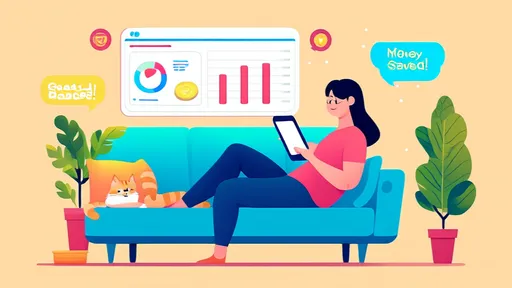
My approach centers around what I call "vibe checking" your finances. Every morning while sipping my matcha, I open three apps for exactly ninety seconds: my banking app, my investment platform, and a simple tracker I built. I'm not analyzing every penny—I'm just getting a feel for where my money's at today. This daily connection prevents those "where did it all go?" moments at month's end.
Here's what makes this stick: I automated the boring stuff. All my bills and savings transfer automatically right after payday. What's left is my "vibe money"—no guilt, no tracking, just freedom. When my checking account looks plentiful, I might book that yoga class. When it's lighter, I get creative with pantry meals. This flexibility keeps me engaged instead of rebelling against rigid categories.
The game-changer was creating money "moods" instead of budgets. I have three simple categories: "flourishing" days when I'm under spending targets, "balanced" days when I'm on track, and "mindful" days when I've splurged recently. During mindful periods, I discover free events in my city or finally read those books I've accumulated. It feels like a creative challenge rather than punishment.
I also embraced what I call "money dates." Every Friday evening, I spend twenty minutes reviewing the week with a glass of wine. I scroll through transactions quickly, celebrate when I resisted impulse buys, and notice patterns without judgment. One client discovered she was spending $80 monthly on parking tickets—fixing that felt more empowering than any budget cut.
The biggest shift happened when I connected money to experiences rather than numbers. Instead of "saving $200," I'm "building my beach fund." The visual of toes in sand motivates me more than any percentage ever could. Another trick that worked wonders: I set up separate accounts with fun names like "Adventure Fund" and "Growth Stack." Watching those grow provides the same satisfaction as seeing likes on a great post.
What surprised me most was how this approach revealed my actual priorities. I used to stress about spending $15 on artisanal cheese while ignoring the $200 monthly subscription I never used. Now I happily buy the cheese while automatically cancelling unused services through an app that tracks them. It's about spending consciously on what brings joy, not cutting everything across the board.
This isn't about being perfect—it's about being present with your money. Some weeks I overspend on dinners with friends. Instead of beating myself up, I notice how those connections fuel me and adjust other areas. The system bends with life rather than breaking when life happens.
Money management can actually feel good when it reflects your personality rather than fights it. If you're social, make your financial check-ins friend dates. If you're competitive, turn savings into challenges. The method should serve your life, not the other way around.
Start tomorrow with that ninety-second check-in. Notice your money mood without judgment. Automate one bill payment. Name a savings goal something that makes you smile. These small shifts build momentum until managing your finances feels as natural as checking your messages—and way more rewarding.
Your financial journey should feel like choosing the perfect soundtrack for your day—setting the right tone, keeping you motivated, and making the ordinary moments more enjoyable. The numbers matter less than how your money makes you feel. When your financial practices align with your lifestyle, you're not just building wealth—you're building a life you love funding.